To reduce emissions and become net-zero by 2050, Rosneft will implement:
-
use of low-carbon power generation
-
zero routine flaring
-
usage of energy-saving technologies
-
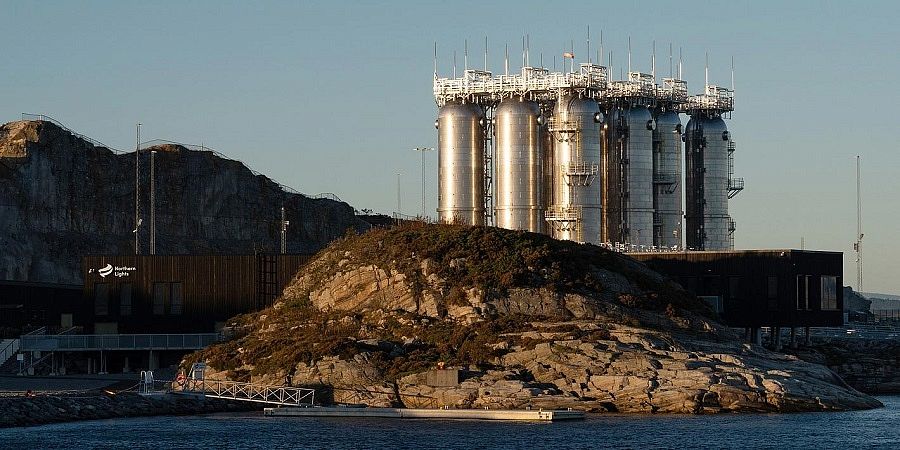
carbon capture and storage technologies
-
use of natural forest offsets
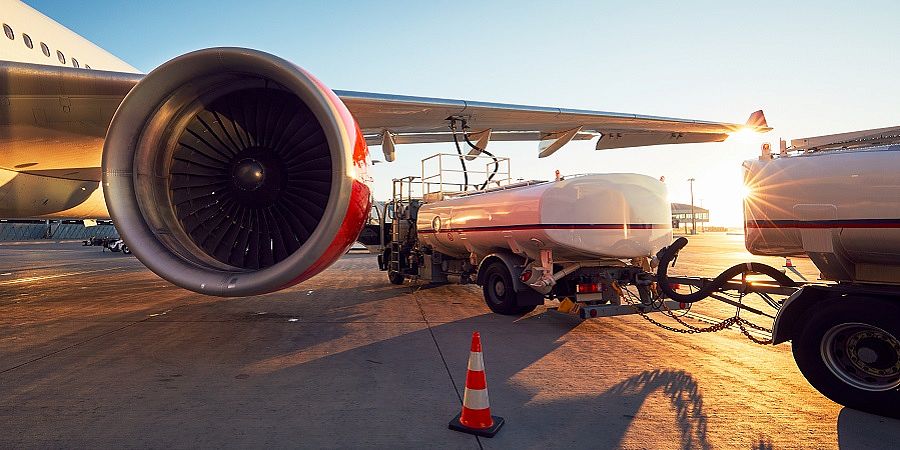
In addition, the company aims to gradually switch its vehicle fleet to low-carbon fuels, as well as produce and sell aviation fuels with lower carbon footprint.
Rosneft hopes its new climate targets will help achieve Russia's goals under the Paris climate deal, which target carbon neutrality by 2060.
Hydrocarbons increase
In its updated strategy, the company plans to increase production of hydrocarbons to 330 million mt of oil equivalent, or 6.63 million b/d of oil equivalent, by 2030.
This would be 29% higher than 256.2 million mt of oil equivalent, or 5.13 million boe/d of hydrocarbons produced in 2020.
Rosneft aims to achieve this target through production growth at ongoing large projects and its Vostok Oil megaproject, which will link up some of the company's vast resources in the north of Krasnoyarsk Territory with the Northern Sea Route, a development priority for Russia that will allow shipping to both European and Asian markets.
The cluster contains combined estimated resources of over 6 billion mt, or around 44 billion barrels, of premium crude, which has a low sulfur content ranging from 0.01%-0.04%.
The company plans to produce 100 million mt/year, or 2 million b/d of oil at Vostok Oil by 2030.
Rosneft also sees the share of gas in its total hydrocarbons production rising to 25% by 2025 on the back of the Rospan and Kharampur projects, which have a total annual production capacity of 45 Bcm of gas.
In 2020 gas accounted for slightly over 20%.
In refining, Rosneft announced its aim to grow light product yields in Russia to 69%, from around 56% currently.
To read the news in Russian