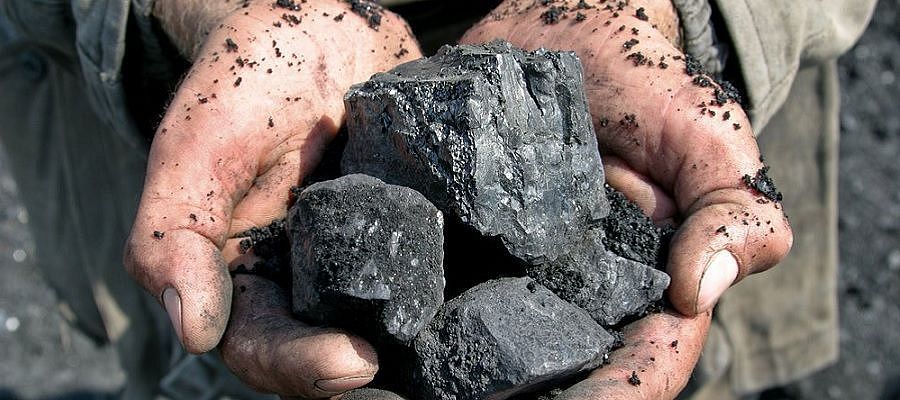
The commitment was originally to phase out coal, but was changed late in negotiations to satisfy some heavily coal-dependent countries like China and India.
The amount of power produced by burning coal fell in both 2019 and 2020, due to decreases in several key markets.
But coal-fired generation is set to increase this year by 9% in China, where more than half of coal-fired power generation takes place, the IEA forecasted, and 12% in India.
It is meanwhile expected to jump by 20% in the EU and the US.
The IEA said the increase underscored the need for fast and strong policy action.
IEA director Fatih Birol said:
- Coal is the single largest source of global carbon emissions, and this year's historically high level of coal power generation is a worrying sign of how far off track the world is in its efforts to put emissions into decline towards net zero
- Without strong and immediate actions by governments to tackle coal emissions – in a way that is fair, affordable and secure for those affected – we will have little chance, if any at all, of limiting global warming to 1.5 °C
Decline is expected once more in 2022, as electricity demand growth slows down and more renewables are deployed, the Paris-based agency said.
Author: Joseph Murphy