"Clear precedent favoring vacatur during such a remand coupled with the seriousness of the Corps’ deficiencies outweighs the negative effects of halting the oil flow for the 13 months that the Corps believes the creation of an [environmental impact statement] will take," wrote Boasberg.
The Dakota Access pipeline was the subject of months of protests in 2016 and 2017, sometimes violent, during its construction near the Standing Rock Sioux Reservation that straddles the North Dakota-South Dakota border.
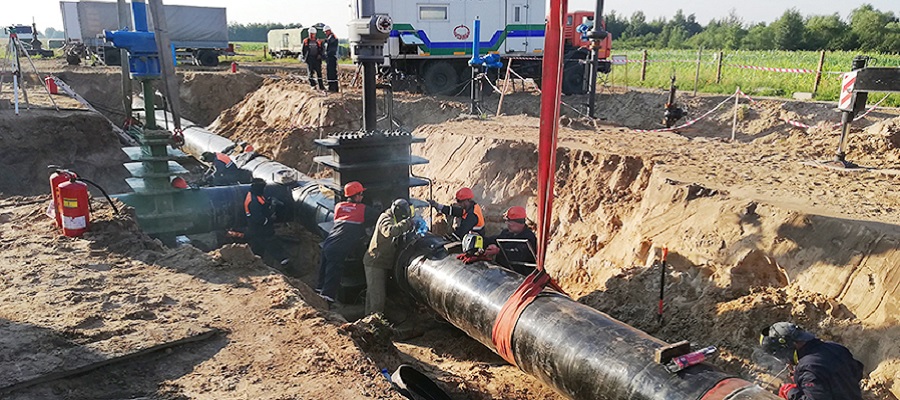
The tribe has sued over the controversial pipeline, which crosses native lands and has drawn protesters from across the country. The $3.8 billion,1 886 km pipeline crosses beneath the Missouri River, just north of the reservation. The tribe draws its water from the river and fears pollution.
"Today is a historic day for the Standing Rock Sioux Tribe and the many people who have supported us in the fight against the pipeline," Chairman Mike Faith of the Standing Rock Sioux Tribe said in a statement. "This pipeline should have never been built here. We told them that from the beginning."
To read the article in Russian.