Bush departs Tuesday on his Mideast travels, with a return set for May 18.
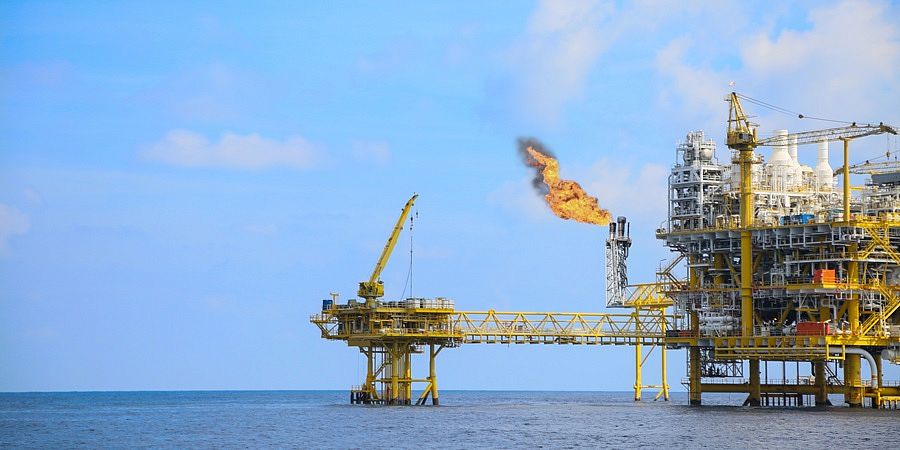
The White House has said Bush will stress US concerns about soaring oil prices when he meets King Abdullah in Saudi Arabia on May 16, and is expected to press the Saudis to boost their oil production as a way of curbing spiraling fuel prices.
The US leader, a former oil company executive, is said to be especially eager to avoid spiraling oil prices in the months leading up to the November presidential election, which could scuttle presumptive Republican candidate John McCain's hopes to succeed Bush in the White House.
Analysts said it was unclear that the Saudis have any more power to control the ratcheting prices than the Americans.
Williams said that producing more oil may not prove effective in dropping prices. But an even bigger worry than inflating oil prices, he said, is a potentially precipitous price drop.
Oil prices retreated slightly Monday, but still remained at near historic highs. At Monday's close they were at 124.23 dollars a barrel, down one dollar from Friday, although crude prices still remain close to historical highs.
John Alterman of the Center for Strategic and International Studies issued a caveat of a different sort, warning that the US president should not be too hopeful about winning Saudi cooperation.
Washington, he said, will be hampered by the legacy of its massive missteps in Iraq and elsewhere around the globe over the past few years.
The president's Mideast trip will celebrate America's close ties with Israel on the occasion of the 60th anniversary of the Jewish state, and will highlight US cooperation with its Mideast allies in the fight against global terrorism.
Bush was to meet with Israeli President Shimon Peres and Prime Minister Ehud Olmert in Israel before heading to Saudi Arabia for talks with King Abdullah.