Uncharacteristically, oil and gasoline prices moved in opposite directions, with gasoline up 16 cents a gallon nationwide in recent days because of refinery disruptions caused by Hurricane Ike.
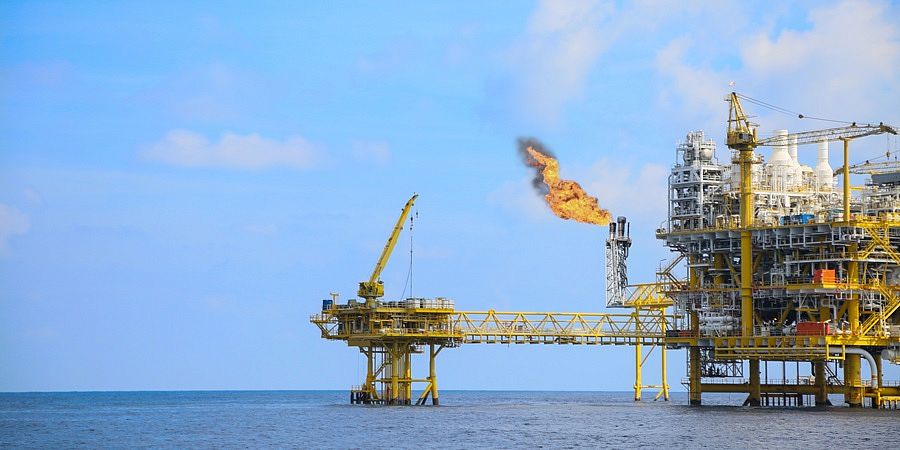
While Hurricane Ike caused only moderate damage to oil platforms in the Gulf of Mexico and to refineries along the coast, those refineries had to shut down ahead of the storm, and many have yet to restart because of power failures.
The fall in oil prices despite the hurricane reflects a deep shift in the market’s sentiment in recent weeks. Oil prices peaked at $145.29 a barrel in July but have since been falling as oil consumption has slowed markedly in Western countries. Some analysts expect oil prices to continue the slide in coming weeks, given the crisis on Wall Street and the darkening economic outlook.
“Wall Street now has everybody worried about the global economy,” said Adam E. Sieminski, chief energy economist at Deutsche Bank.
Oil demand remains the biggest wild card. Higher prices have caused consumers in developed countries, including the United States, to cut back on gasoline use. But in other parts of the world, particularly in developing economies in Asia and the Middle East, the demand remains strong.
Author: Jo Amey