“For companies that are working to formalize a telework program, it's an added reason for them to act more quickly," Williams says. "For companies that have an informal telework arrangement going on, it's another way for us to bring up reasons why they need to formalize those programs."
But, he added, due diligence is important. "We're not trying to get people to react immediately to the gas shortage and just start teleworking."
Tennessee and North Carolina are among the states hardest hit by gas shortages brought on by hurricane damage to the oil-refining regions of the Gulf Coast.
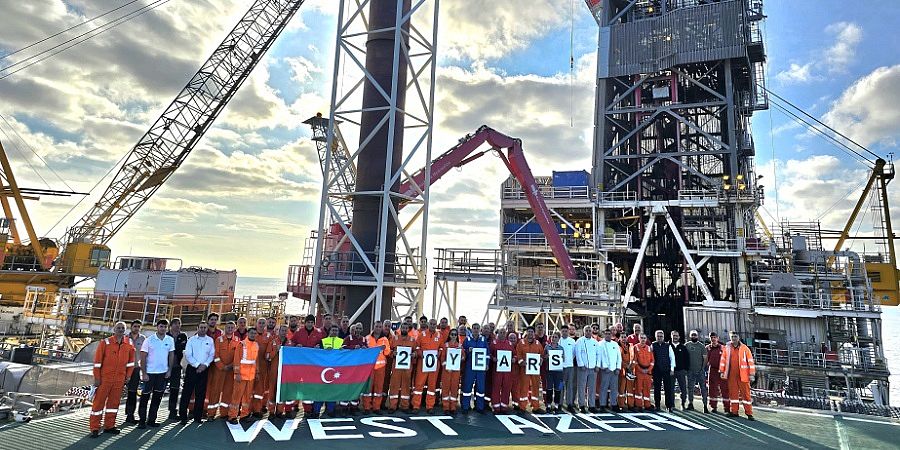
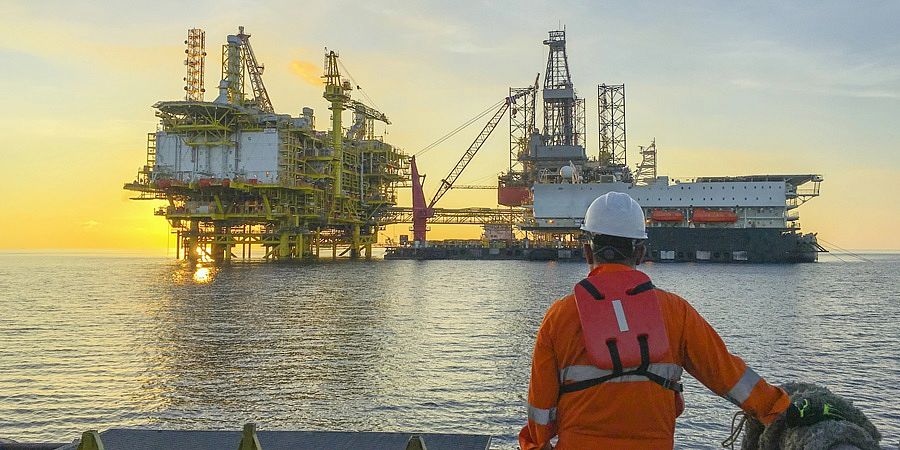
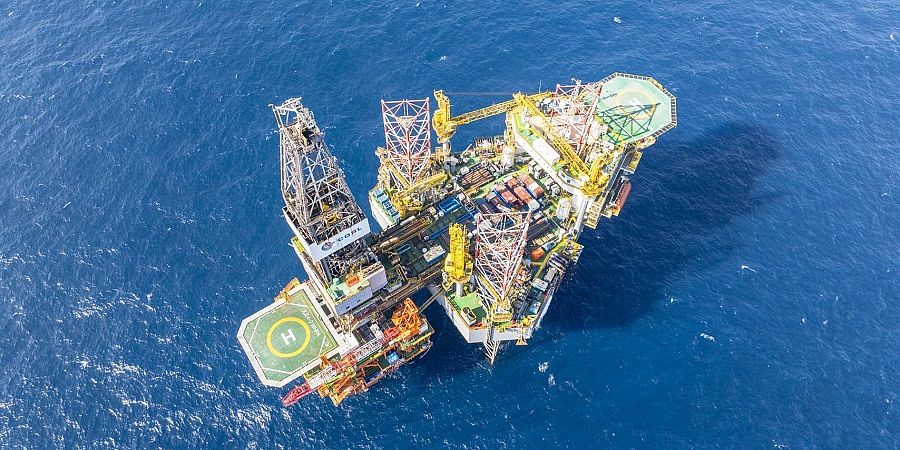
Hurricanes Gustav and Ike, which made U.S. landfall on Sept. 1 and Sept.13, respectively, decimated fuel production from the Gulf of Mexico. As of Sept. 29, more than 57% of crude oil production capacity in the Gulf of Mexico was still out of commission (down from 89% on Sept. 22), and two refineries remained completely shut down, according to the U.S. Department of Energy (DOE).
For residents in the southeast United States, the result is long gas lines and scores of service stations with no gas.
On Monday, one Georgia official issued a call for greater teleworking in response to the shortage. John Oxendine, commissioner of insurance and safety fire for the state, announced that any employees in his department whose job responsibilities don't require them to be physically present at the state office building can telework for the remainder of the week or until the gasoline shortage ends.
He also called on other state agencies to do the same. "As leaders of this state, we are obligated to find ways to relieve the burden of this gasoline shortage off the backs of taxpayers," Oxendine said in a statement. "By allowing additional state employees to work from their homes, this action should help reduce some of the strain on our gasoline supply and benefit those in the public and private sectors who are unable to telework."
Want to compare LAN/WAN management products? Visit the IT Buyer's Guides now.Since refineries first shut down in anticipation of Hurricane Gustav, nearly 45 million barrels of gasoline, distillate fuel and other products have not been produced, according to the DOE's Energy Information Administration. In addition, two major pipelines that span from the Gulf Coast to the East Coast -- the Colonial and Plantation product pipelines - continue to operate at reduced rates.
"It takes several days for a refinery to get back to normal operation after first getting power restored, even if there is no significant damage following a hurricane. Refined product supplies are still constrained in portions of the country because of refining capacity that is still significantly reduced from pre-hurricane levels," the Energy Information Administration reported.
Hurricane impacts on U.S. oil and natural gas availability will continue to be felt for several days, the organization reports:
"As refineries return to full production, supplies will increase into pipelines, thus providing more supplies to those that have seen constraints in the supply system. But it could take several days or even a couple of weeks before the distribution system, from refineries to retail stations, is once again at pre-hurricane operation levels."
Meanwhile, in metropolitan areas such as Atlanta, a summer of high gas prices followed by the current gas shortage has spurred more local businesses to embrace telework.
The Clean Air Campaign has seen a surge in the number of companies looking to implement telework programs for the first time. Last year, between January and July, the organization helped about 40 companies to start or expand telework programs and was working with an additional 30 companies trying to get the management support they needed to launch telework programs, Williams says.
This year so far, The Clean Air Campaign has helped about 100 companies to start or expand telework programs and is working with an additional 100 companies trying to make that commitment.
Gas prices have a lot to do with the explosion of corporate interest. "People are struggling financially, and employers are trying to figure out a way to help," Williams says. Establishing a telework program "is something that they can do that not only helps the employee but also benefits their bottom line."
Author: Jo Amey