The first act of the financial drama is still unfolding on the world stage. But as the banking crisis in high-income countries and its spillovers to the real economy are playing out, other actors are forced into the spotlight: enter emerging economies and a long absent player, the International Monetary Fund.
With contagion upon us, the international community has to act to support wobbling countries. In contrast to past crises, this time they are caught up in turmoil that is not of their own making.
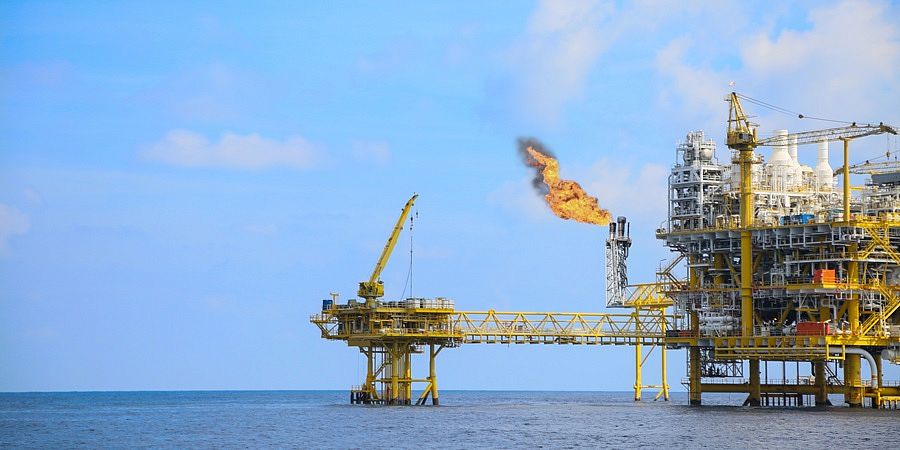
The OPEC decision to cut oil output by 1.5 million barrels a day to support “fast collapsing” global oil prices has come at a time when fears of a comprehensive world economic slowdown are mounting, and developing economies like Pakistan are facing serious balance of payment crises.
The cartel of the world’s 11 large oil-producing countries controlling 40 percent of the global oil trade said it was slashing output to avert a glut in the market and stop a dramatic — “unprecedented in speed and magnitude” — fall in oil prices. Global oil prices have slumped 56 percent since mid-July.
Author:
Jo Amey