"We know that the military was transported, directed, paid, housed and supervised [by Chevron] in its invasion of that platform," Stormer told the nine-member jury. "They sent in people who were notoriously vicious."
Chevron attorney Bob Mittelsteadt responded that the company regretted the deaths and injuries but argued that Chevron was not responsible for the actions of soldiers and police who were responding to a security threat.
He said the protesters were invaders who were holding more than 100 workers hostage at the offshore facility and demanding jobs and money. He characterized the arrival of the military as a "rescue mission."
"This was not a peaceful protest," Mittelsteadt told the jury. "It was an illegal invasion by a group that put the workers' lives at risk and their own lives at risk."
The villagers brought the lawsuit under the Alien Tort Claims Act, which allows foreigners to sue American companies in the United States for their actions in foreign countries.
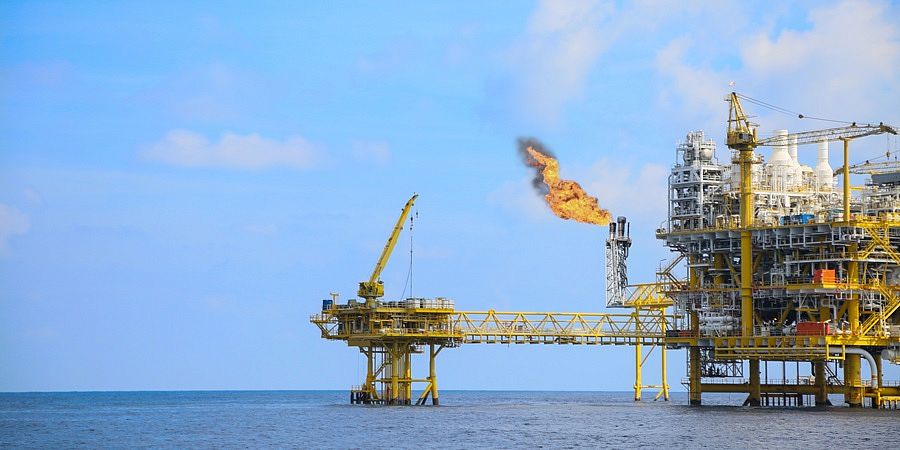
The case arises from an incident 10 years ago at Chevron's Parabe oil platform nine miles off the Nigerian coast.
Members of the Ilaje ethnic group were upset by Chevron's actions in the Niger Delta, including oil spills and dredging that killed fish, contaminated the soil and fouled drinking water. They also were angered by a lack of jobs or other compensation and Chevron's apparent unwillingness to talk to them.
In May 1998, more than 100 Ilaje villagers boated out to the oil platform and occupied an adjoining barge. In an initial attempt to end the protest, a Chevron representative began negotiating with tribal elders onshore.
But from that point on, witnesses and experts called by the two sides offered sharply contrasting accounts of how events unfolded.
Witnesses for the plaintiffs said the protesters were unarmed and peaceful. They did not interfere with or threaten any of the workers at the facility, witnesses said, and a small armed military unit patrolled the facility without incident.
On the fourth day of the protest, they said, helicopters leased by Chevron and flown by Chevron pilots transported soldiers and members of the feared mobile police, known as "Kill and Go" units, to the facility.
On landing, the police and soldiers began firing almost immediately and shot four people. Lead plaintiff Larry Bowoto testified that he was holding up his hands and shouting, "Don't shoot," when he was shot in the elbow, side and buttock.
One of the dead villagers was shot four times in the back, according to an autopsy entered into evidence.
Witnesses for the plaintiffs testified that other protesters were arrested and some were tortured, including one man who said he was beaten repeatedly and hung by his hands and whipped in an unsuccessful effort to get him to confess that he was a sea pirate. No criminal charges were ever filed against any of the protesters, Stormer told the jury.
Attorneys for Chevron countered that the protesters posed a threat to the safety of its employees.
Former Parabe workers testified that they believed that they had been taken hostage and that they feared for their lives. Mittelsteadt argued that Chevron officials had the duty to protect its workers and no choice but to turn to the security forces for assistance.
Chevron should not be held responsible for the actions of the military despite the fact that it was making regular payments to the Nigerian navy, army and police, he said. Other foreign companies also subsidized the police and military, he said.
"The only place to turn for security is the military," he told the jury. "It's the industry standard to pay per diem, but the government soldier is still a government soldier."
"There is nothing improper about that," he said, "and that doesn't make them employees of Chevron Nigeria."
Author: Jo Amey