The investment is consistent with Shell's disciplined capital allocation framework and is expected to generate double-digit returns while supporting long-term cash flow growth.
The facility in Kitimat is positioned to supply cost-competitive gas to Asian markets, where demand for LNG is expected to increase significantly. According to Shell's LNG Outlook 2026, global LNG demand is expected to rise by around 60% by 2040 and around 65% by 2050, driven by growing energy demand and the need for secure, flexible and reliable energy supplies.
LNG Canada will continue to operate under an equity lifting structure, whereby each joint venture participant is responsible for the offtake of its proportionate share of LNG production and for bringing its share of gas supply.
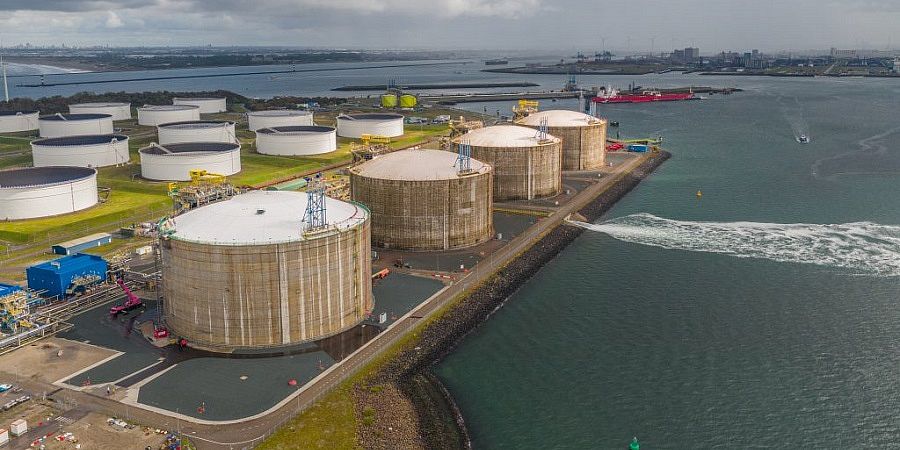
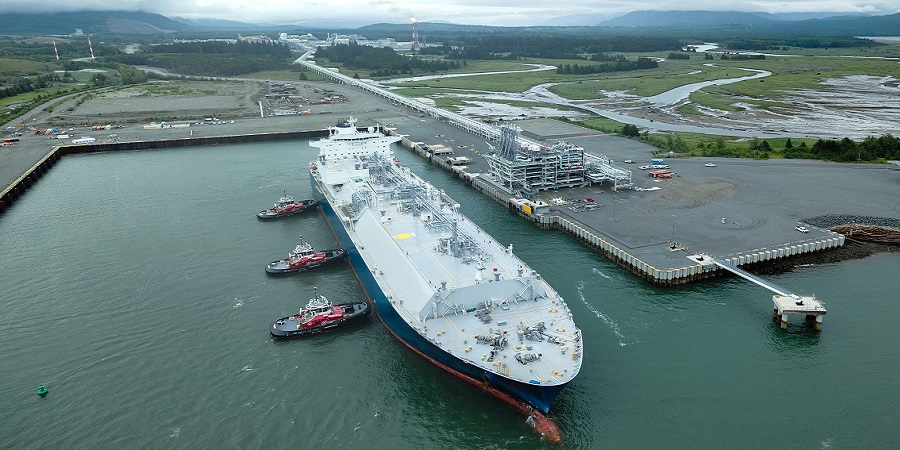
The Phase 2 expansion will add two LNG processing units, known as trains, within LNG Canada's existing Kitimat facility, as well as an additional LNG storage tank, condensate tank, loading berth, and expanded utility and process systems. Coastal GasLink will expand the capacity of the existing 670-kilometre pipeline through the construction of five new compressor stations.
About LNG Canada
- Canada's first LNG export terminal;
- is considered the largest private-sector investment in the Canadian economy;
- investment in the project totals approximately 40 billion Canadian dollars (29.4 billion U.S. dollars at the current exchange rate);
- is located in Kitimat, British Columbia, Canada, within Haisla National Park;
- It includes:
- two production lines with a capacity of 14 million metric tons per year, with the potential to expand to four lines,
- three LNG storage tanks,
- a marine terminal with three berths for LNG loading,
- the Coastal GasLink pipeline;
- Resource base: gas fields in the Liard and Horn basins in northeastern British Columbia;
- LNG production began on June 22, 2025;
- the facility is operated by LNG Canada Development Inc.
- Shell (40%);
- PETRONAS (25%);
- PetroChina Company Limited (15%);
- Mitsubishi Corporation (15%);
- Korea Gas Corporation (5%).