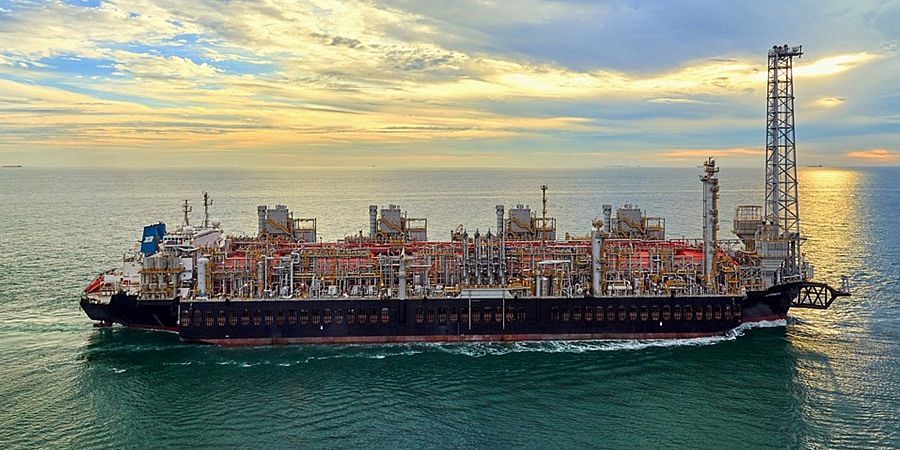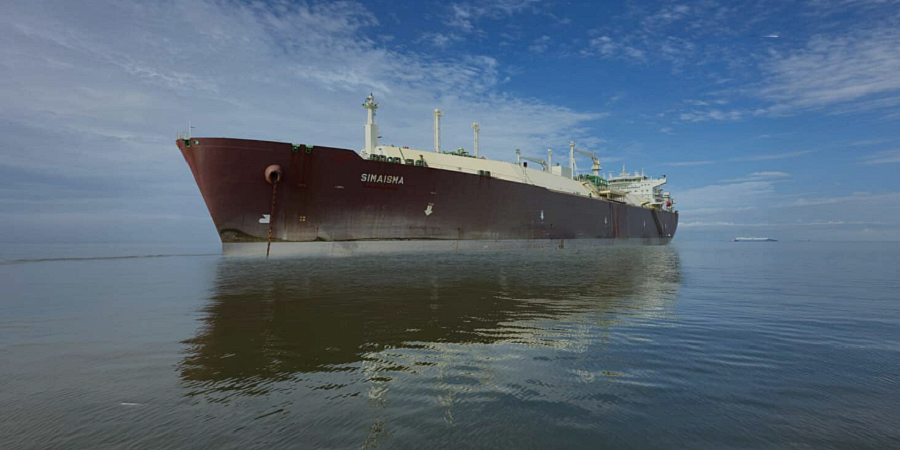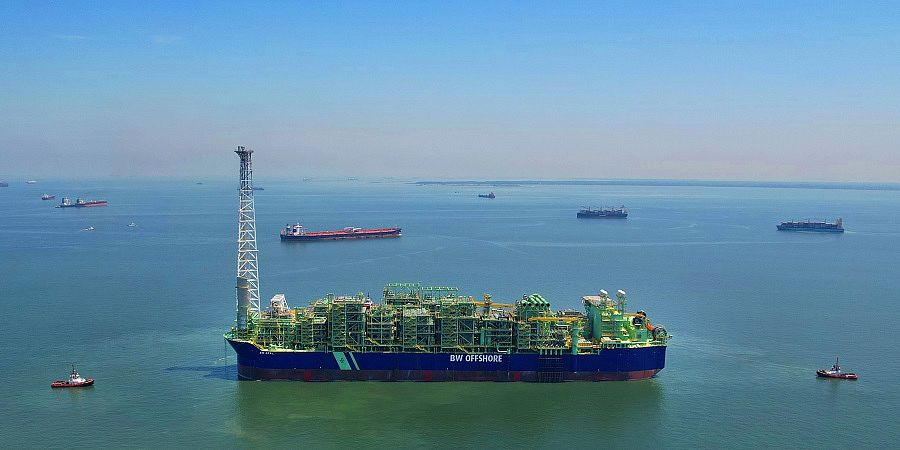
A total of 422 million tonnes of LNG was traded in 2025 and this was expected to increase significantly in 2026. However, severe disruption to shipping through the Strait of Hormuz has shut in around one fifth of the world’s monthly LNG supply since the conflict started, pushing up prices on the spot market and adversely affecting some Asian countries.
The ramp up of new liquefaction facilities in North America, improved performance at existing plants and slower Asian imports of LNG have partially offset the impact of reduced supply from the Middle East. As a result, total LNG trade in 2026 could be similar to last year if shipping through the Strait of Hormuz returns to normal this summer, before returning to growth in 2027.
About 180 million tonnes of annual new supply is forecast to enter the market by 2030, improving the availability and affordability of gas and opening up demand in new markets.
However, the ability to benefit from new supply will depend on the availability of infrastructure in importing countries, including regasification capacity and pipeline connectivity, especially in South and Southeast Asia.
Forecasts show that those regions will account for around 40% of global LNG imports by 2050 to meet rapidly growing demand for energy with lower emissions than coal. In more mature Asian markets such as Japan, data centres are emerging as a new source of power demand.
Emerging segments of demand are also growing rapidly. According to forecasts, LNG bunkering will grow seven-fold to 27 million tonnes by 2035, more than the amount of LNG imported by India last year.
To meet the growing demand, significant additional investment will be needed in new LNG liquefaction plants through the 2030s and 2040s, with around 200 million tonnes a year of new supply needed, in addition to projects already under construction.