Coon similarly opened previous trials, whose cases were settled before going to the jury each time. He told jurors BP knew the refinery was in bad condition, cut budgets instead of making improvements and ignored warnings about problems.
While denying the plant suffered safety problems because of cost-cutting, BP has accepted responsibility for the blast. So the main thrust of the case will be determining damages due to the 14 plaintiffs — 10 workers near the refinery and four of their wives.
Coon said he will ask for $950 million, an amount he says was equal to one year's profit from the plant. The workers contend they suffered various physical injuries and mental strains from the blast.
BP has settled the vast majority of 4,000 claims resulting from the explosion. During jury selection last week, BP lawyers said they will question the extent of the injuries and whether some existed beforehand.
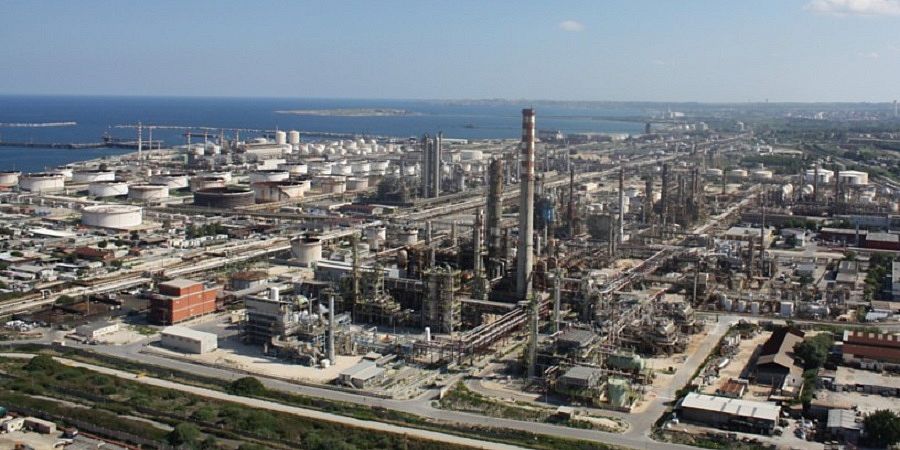
The March 23, 2005, explosion happened when a raffinate splitter overflowed into a neighboring blowdown drum, which then overflowed and spewed flammable hydrocarbons into the air. The hydrocarbons formed a cloud at the ground level and ignited.
As opening statements continued Tuesday afternoon, Coon and other members of his legal team attempted to connect BP's quest to maximize profits with several instances where the company knowingly filed incomplete or incorrect documents with state regulators.
In one case, BP submitted a diagram to the state that omitted the blowdown stack, the antiquated piece of equipment blamed in part for the explosion.
The consensus among government and independent experts is that the disaster might have been avoided had the stack been routed to a flare to burn off excess hydrocarbons.A 1991 internal document showed the company could have added a flare for $9.3 million.
BP itself highlighted the condition of the refinery in 2003 when the company appealed the property tax value Galveston County placed on it.