“By implementing the hydrogen projects in the pipeline, PGNiG will contribute to expanding the market for alternative fuels and thus will contribute to Poland’s fulfillment of EU climate policy goals,” he added.
The most advanced project is Hydra Tank, comprising an experimental hydrogen refuelling station. PGNiG has already signed a contract with a consortium of Polish- and UK-based companies to design and build the station.
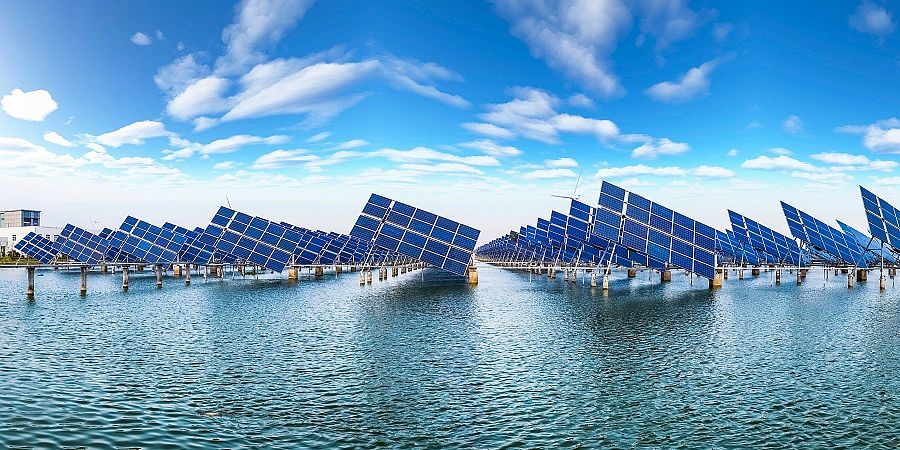
PGNiG has started investigating the possibility of storing and transmitting hydrogen using the natural gas network. It is scheduled to come on stream in 2022. PGNiG intends to use electricity generated by photovoltaic panels for the purpose of the project.
The PGNiG Central Measurement and Testing Laboratory will expand its analytics capabilities to become the 1st laboratory in Poland and one of the few in Europe providing a hydrogen purity testing service. Once it is accredited, the lab will test alternative fuels for PGNiG, also providing the testing service to 3rd parties on a commercial basis.
PGNiG recognises the potential of using hydrogen for industrial power generation applications. The gas can be used in heat and power generating units on an industrial scale. State-of-the-art turbines in combined heat and power plants can run on properly designed natural gas and hydrogen blends to produce heat and electricity. Hydrogen can also be used by other large industrial plants.