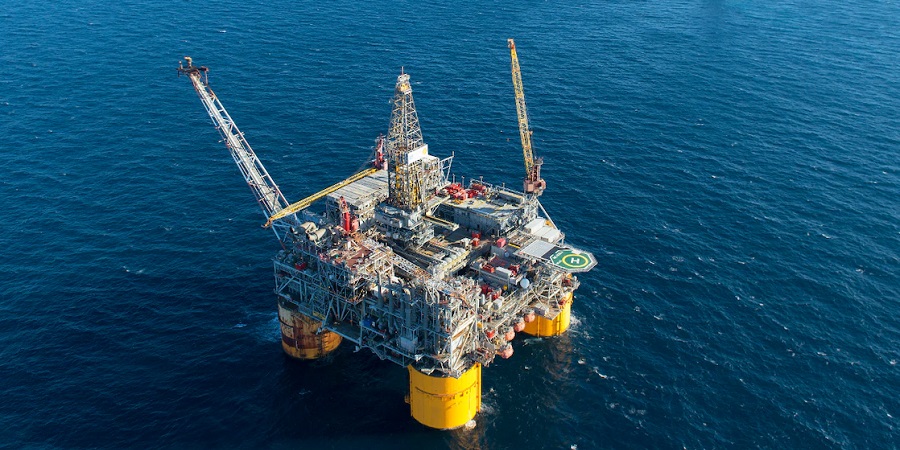
Waterflood is a method of secondary recovery where the injected water physically sweeps the displaced oil to adjacent production wells, while re-pressurizing the reservoir. First injection is expected in 2028 and is anticipated to extend the production lifecycle of Ursa by several years.
“Following our decision to increase our stake in Ursa earlier this year, this additional investment continues to maximise the value of the asset,” said Peter Costello, Shell’s Upstream President. “It also contributes to our aim of maximising high-margin production and longevity in a core basin to maintain liquids production.”
Shell is the leading deep-water operator in the US Gulf of America, where our production has among the lowest greenhouse gas intensity in the world.
The Kaikias waterflood project is estimated to increase recoverable resource volume by ~60 million metric barrels of oil equivalent (P50). The estimate of resources volumes is currently classified as 2P under the Society of Petroleum Engineers’ Resource Classification System.
In August 2014, the Kaikias field (Shell 100% working interest (WI)) was discovered in more than 4,000 feet (1,219 metres) of water, approximately 130 miles (209 kilometres) off the coast of Louisiana. Production from the Kaikias field began in May 2018 with flowback to Shell’s Ursa platform.