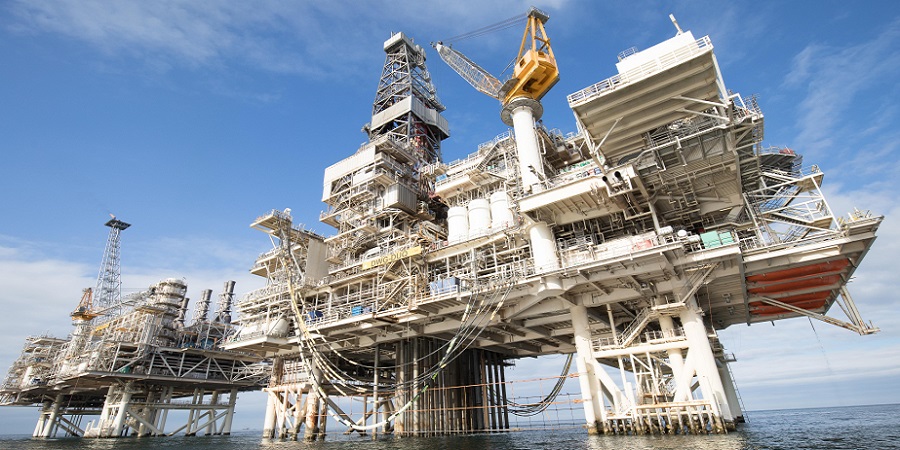
Moscow, October 28 - Neftegaz.RU. As the operator of the Azeri-Chirag-Gunashli (ACG) field, bp continues to bring the most advanced technologies from the global oil and gas industry to the Caspian region. These efforts are aimed at enhancing production, maximizing recovery from this world-class reservoir, and extending its operational life.
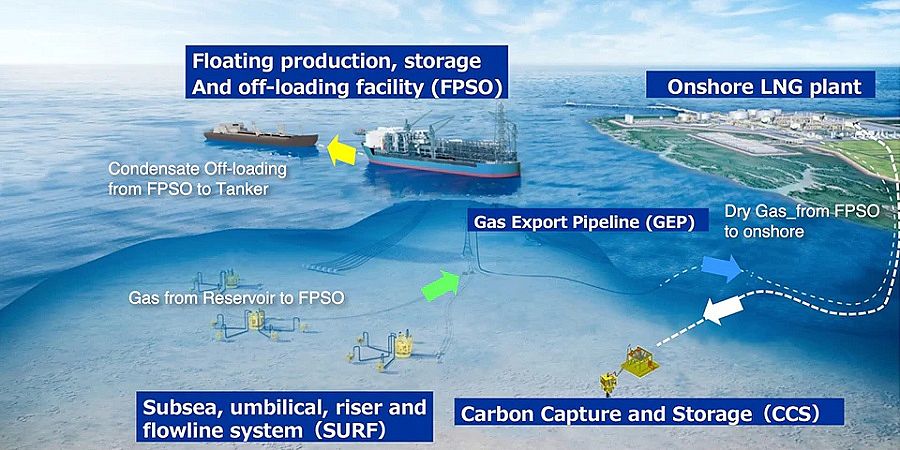
In line with this commitment, bp is preparing to launch a multi-well subsea intervention campaign in the Deepwater Gunashli (DWG) area. For the first time in bp’s Caspian operations, the campaign will deploy riserless light well intervention (RLWI) technology – a subsea mechanical wireline intervention system known as the Blue Ocean Riserless Intervention System (BORIS) provided by Oceaneering International. This innovative approach will enable efficient surveillance and early identification of opportunities for pressure management and production rate enhancement, unlocking further potential in the field.
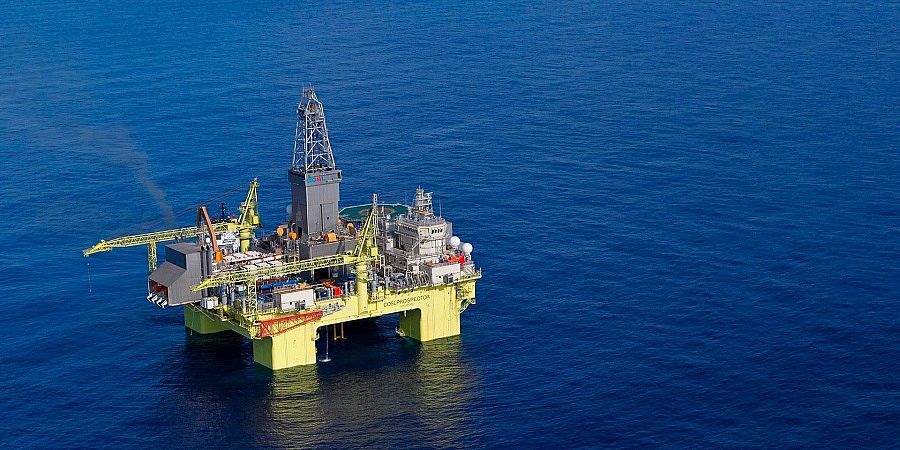
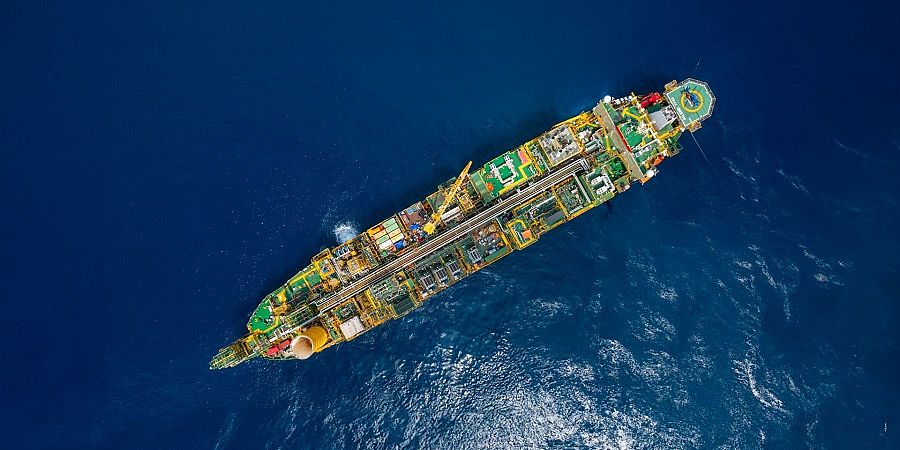
To reduce reliance on semisubmersible drilling rigs and enable earlier subsea interventions, the campaign will utilize a vessel-based intervention method – another first for the Caspian. The RLWI system will be integrated onto a vessel, from which all interventions will be conducted. Azerbaijan’s subsea construction vessel (SCV) Khankendi has been identified as the most suitable platform for this operation.
bp has already awarded two major contracts to support the safe and efficient delivery of the campaign:
- A multi-million dollar RLWI contract to Oceaneering International for the provision of all RLWI services. This includes the setup, assembly, and testing of BORIS, as well as project management, engineering, systems integration, and the supply of equipment, materials and fabrication works required for BORIS’s deployment.
- A multi-million dollar contract to SLB for light well intervention (LWI) services. The scope includes the provision of a wireline/slickline combination (Combo) unit to eliminate heavy lifting and simplify red zone management; a full bleed-off package with high-pressure pumping capabilities for circulation and pressure testing; multi-skilled crews as required.
Offshore operations are expected to begin later this year, with completion targeted for end of 2026.